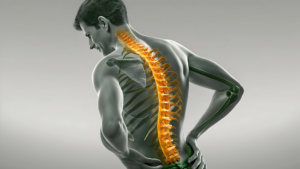

Why Chronic Pain Persists Even After Imaging Looks “Normal”
Why Chronic Pain Persists Even After Imaging Looks “Normal” One of the most frustrating moments for patients in pain is hearing, “Your scans look normal.”
Living with chronic fatigue and persistent body aches can feel overwhelming. Daily tasks become exhausting, recovery feels slow, and traditional approaches often focus only on managing symptoms. Osteopathic manual therapy offers a different perspective—one that looks at how the entire body functions together.
At ISOMATIC Integrative Health, osteopathy is used to address the underlying physical and neurological patterns that contribute to long-term fatigue and widespread discomfort.
Chronic fatigue and generalized body pain are rarely caused by a single issue. They often involve a combination of:
Muscle and fascial tension
Poor circulation and lymphatic drainage
Nervous system imbalance
Postural strain
Stress-related inflammation
Osteopathic care focuses on restoring balance across these systems rather than isolating one symptom at a time.
1. Nervous System Regulation
Chronic fatigue is commonly associated with an overactive stress response. Osteopathic techniques help shift the body into a calmer, parasympathetic state by:
Reducing muscle guarding
Improving breathing patterns
Encouraging relaxation responses
Decreasing sensory overload
A calmer nervous system allows energy to be used for healing rather than constant stress management.
2. Improving Circulation and Lymphatic Flow
When circulation is restricted, tissues receive less oxygen and nutrients. Osteopathic manual therapy supports:
Blood flow to fatigued muscles
Lymphatic drainage
Removal of metabolic waste
Reduced swelling and heaviness
Improved circulation often leads to increased energy and reduced soreness.
3. Myofascial Release for Widespread Tension
Chronic body aches are frequently linked to tight fascia that restricts movement and increases pain sensitivity. Gentle myofascial release helps:
Reduce overall body stiffness
Improve tissue elasticity
Decrease pain signals
Restore comfortable movement
4. Addressing Postural and Structural Strain
Subtle misalignments and long-term postural habits can drain energy and overload muscles. Osteopathy helps rebalance:
Spinal alignment
Joint mechanics
Load distribution throughout the body
This reduces compensatory strain that contributes to fatigue.
5. Supporting Inflammation Regulation
Persistent low-grade inflammation is a common factor in chronic fatigue and body aches. Osteopathic treatment supports the body’s natural inflammatory regulation by improving movement, circulation, and nervous system balance.
Osteopathic care works best when combined with gentle self-care:
• Slow, Rhythmic Breathing
Encourages nervous system calm and energy conservation.
• Gentle Daily Movement
Short walks or mobility exercises prevent stiffness without overexertion.
• Postural Awareness
Reducces unnecessary muscular effort throughout the day.
• Adequate Rest and Hydration
Supports tissue recovery and circulation.
Consider osteopathic manual therapy if you experience:
Persistent fatigue despite rest
Widespread muscle or joint pain
Heaviness or stiffness throughout the body
Sensitivity to stress or touch
Difficulty recovering from daily activities
Treatment is always individualized and adjusted to energy levels.
1. Can osteopathy cure chronic fatigue?
Osteopathy does not claim to cure chronic fatigue, but it can significantly improve quality of life by addressing contributing physical and neurological factors.
2. Is osteopathic treatment gentle enough for low-energy patients?
Yes. Osteopathic techniques are adapted to be extremely gentle and supportive, especially for those with limited energy.
3. How many sessions are usually needed?
Some patients notice improvements within a few sessions, while others benefit from ongoing supportive care depending on symptom duration.
4. Can osteopathy help with fibromyalgia-like symptoms?
Many people with widespread pain experience relief through gentle myofascial and nervous system–focused osteopathic techniques.
5. Will I feel tired after treatment?
Some people feel deeply relaxed or temporarily tired after treatment, followed by improved energy in the days after.
Osteopathy works for chronic fatigue and body aches because it addresses the whole person—not just isolated symptoms. By supporting circulation, reducing tension, regulating the nervous system, and improving structural balance, osteopathic manual therapy offers a gentle, sustainable path toward increased energy and reduced pain.

Why Chronic Pain Persists Even After Imaging Looks “Normal” One of the most frustrating moments for patients in pain is hearing, “Your scans look normal.”

From Pain to Power: A Patient’s Guide to Healing Naturally Living with pain can slowly drain your energy, confidence, and hope. It affects how you

From Pain to Power: A Patient’s Guide to Healing Naturally Living with pain can slowly drain your energy, confidence, and hope. It affects how you