

How PEMF Therapy Supports Chronic Pain Recovery
How PEMF Therapy Supports Chronic Pain Recovery Chronic pain can feel relentless. It lingers for months—or even years—affecting mobility, sleep, mood, and overall quality of
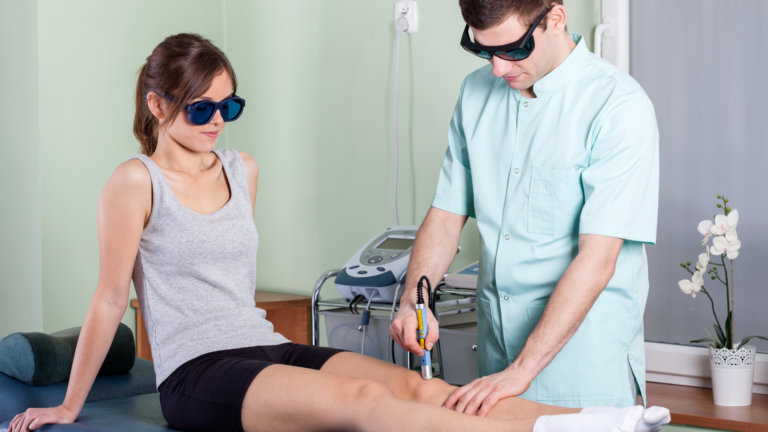
Chronic pain can feel exhausting, frustrating, and at times overwhelming. When medications provide only temporary relief—or come with unwanted side effects—many patients begin exploring alternative options. One increasingly popular treatment is laser therapy for pain relief.
But what does the science actually say? Is it truly effective? And where are its limits?
This article explores the evidence, benefits, and realistic expectations of laser therapy so you can make an informed decision about your care.
Laser therapy, often called Low-Level Laser Therapy (LLLT) or cold laser therapy, uses specific wavelengths of light to stimulate healing in tissues. Unlike surgical lasers that cut or burn, therapeutic lasers are non-invasive and painless.
The light energy penetrates the skin and interacts with cells to promote:
Increased circulation
Reduced inflammation
Enhanced cellular repair
Pain signal modulation
The goal is simple yet powerful—stimulate the body’s natural healing process without medication or surgery.
At the cellular level, laser therapy works by stimulating the mitochondria, often called the “powerhouse” of the cell. When exposed to specific light wavelengths, mitochondria increase production of adenosine triphosphate (ATP), which fuels tissue repair and regeneration.
Here’s how the process translates clinically:
| Biological Effect | Clinical Benefit |
|---|---|
| Increased ATP production | Faster tissue healing |
| Improved microcirculation | Reduced swelling and inflammation |
| Modulation of nerve activity | Decreased pain signals |
| Collagen stimulation | Enhanced soft tissue repair |
This scientific foundation is why laser therapy is commonly used in physiotherapy, sports medicine, and rehabilitation clinics.
Laser therapy for pain relief is often used for:
Chronic back and neck pain
Tendonitis and bursitis
Arthritis-related joint pain
Sciatica and nerve irritation
Sports injuries and muscle strains
Post-surgical healing support
Its versatility makes it appealing for both acute injuries and long-standing chronic pain conditions.
Scientific research on laser therapy continues to grow. Several studies suggest that it can:
Reduce chronic musculoskeletal pain
Improve mobility in arthritis patients
Shorten recovery time after soft tissue injuries
Lower inflammation markers in affected tissues
However, results can vary depending on dosage, wavelength, and treatment frequency. Not all devices are equal, and outcomes often depend on proper clinical application.
While evidence supports its use for certain conditions, laser therapy is generally considered a complementary treatment, not a standalone cure.
Patients often choose laser therapy because it is:
Non-invasive – No needles or incisions
Drug-free – Avoids medication side effects
Painless – Most sessions feel warm and comfortable
Quick – Treatments typically last 5–20 minutes
Safe – Minimal side effects when performed properly
For individuals looking to reduce reliance on painkillers, laser therapy offers a promising alternative.
Despite its benefits, laser therapy is not a miracle solution. It has limitations:
It may not be effective for severe structural damage.
Multiple sessions are usually required for noticeable improvement.
Results vary between individuals.
It works best as part of a broader rehabilitation plan.
For example, combining laser therapy with physiotherapy exercises often delivers better results than laser treatment alone.
A typical laser therapy session involves:
Assessment of the painful area
Application of a handheld laser device
Short exposure over specific treatment points
Follow-up recommendations, often including exercises
Most patients require several sessions over a few weeks to experience optimal benefits.
When administered by trained professionals, laser therapy is considered very safe. Side effects are rare but may include mild temporary soreness. Protective eyewear is typically worn during sessions to ensure safety.
Patients with certain conditions—such as cancer, pregnancy in specific areas, or photosensitivity disorders—should consult a healthcare provider before starting treatment.
Laser therapy represents a fascinating intersection between modern technology and biological healing. The evidence supports its role in reducing inflammation, improving tissue repair, and alleviating certain types of chronic pain.
However, it is not a replacement for proper diagnosis, strengthening exercises, or lifestyle changes. Instead, it works best when integrated into a comprehensive care plan.
For many patients, laser therapy becomes a valuable tool—reducing discomfort, enhancing mobility, and supporting natural healing without invasive procedures.
Does laser therapy hurt?
No. Most patients feel a mild warmth or nothing at all during treatment.
How many sessions are needed?
Typically, 6–12 sessions are recommended depending on the condition’s severity.
Is laser therapy covered by insurance?
Coverage varies by provider. Some insurance plans include it under physiotherapy services.
Can laser therapy replace surgery?
It may help avoid surgery in mild to moderate cases, but severe structural issues may still require surgical intervention.
How quickly will I see results?
Some patients notice relief after a few sessions, while others require consistent treatment over several weeks.
Laser therapy for pain relief offers a promising, science-backed approach to managing musculoskeletal discomfort. It stimulates cellular repair, reduces inflammation, and provides non-invasive relief for many patients.
Yet, like any treatment, it has limits. The most effective results occur when laser therapy is combined with movement, rehabilitation, and professional guidance.
If you’re exploring drug-free pain management options, laser therapy may be worth considering—especially as part of a holistic recovery strategy tailored to your needs.

How PEMF Therapy Supports Chronic Pain Recovery Chronic pain can feel relentless. It lingers for months—or even years—affecting mobility, sleep, mood, and overall quality of
Why Chronic Pain Persists Even After Imaging Looks “Normal” One of the most frustrating moments for patients in pain is hearing, “Your scans look normal.”

From Pain to Power: A Patient’s Guide to Healing Naturally Living with pain can slowly drain your energy, confidence, and hope. It affects how you