How Osteopathy Complements Your Regular Medical Care
How Osteopathy Complements Your Regular Medical Care Modern healthcare is evolving. Patients are no longer satisfied with treating symptoms alone—they want care that looks at
Living with pain can slowly drain your energy, confidence, and hope. It affects how you move, sleep, work, and even how you see yourself. Yet healing doesn’t always begin with medication or invasive procedures. For many, the journey from pain to power starts with understanding the body’s natural ability to heal—when given the right support.
This guide is designed for patients who want a clear, realistic, and empowering path toward natural healing, long-term resilience, and renewed control over their health.
Pain is not just a physical sensation—it’s a signal. Acute pain warns of injury, while chronic pain often reflects deeper imbalances in movement, posture, stress, or lifestyle. Over time, the nervous system can become overprotective, keeping pain alive even after tissues have healed.
Natural healing focuses on addressing these root causes, not just masking discomfort. When you understand why your body hurts, you’re already taking the first step toward reclaiming your strength.
Your body is equipped with remarkable self-repair mechanisms. Natural healing works by supporting these systems rather than overriding them.
| System | How It Supports Healing |
|---|---|
| Nervous System | Regulates pain signals and muscle tension |
| Musculoskeletal System | Restores movement, strength, and stability |
| Circulatory & Lymphatic Systems | Deliver nutrients and remove inflammation |
| Immune System | Repairs tissue and protects against further injury |
When movement improves, circulation increases. When stress reduces, healing accelerates. Everything is connected.
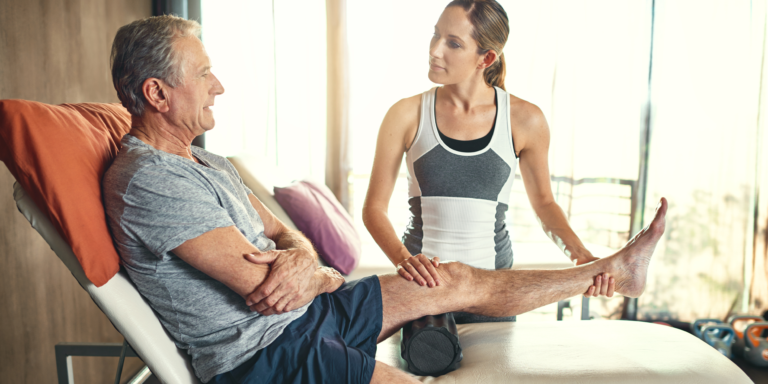
One of the most powerful natural healing tools is intentional movement. Contrary to fear-based advice, gentle and guided movement often reduces pain rather than worsening it.
Natural movement-based healing may include:
Physiotherapy or osteopathy
Mobility and stretching exercises
Strength and stability training
Walking, swimming, or yoga
Movement retrains the nervous system, rebuilds confidence, and restores trust in your body—turning fear into function.
Healing naturally isn’t just physical—it’s deeply mental. Chronic pain often creates fear, frustration, and helplessness. These emotions can increase muscle tension and amplify pain signals.
By shifting mindset—from “my body is broken” to “my body is adapting and learning”—patients often experience meaningful improvements. Mind-body tools such as breathing exercises, mindfulness, and education reduce pain sensitivity and support recovery.
Pain doesn’t define you. It informs you.
Natural healing works best when therapies complement one another rather than operate in isolation. An integrative approach may include:
Manual therapy (osteopathy, massage, or physiotherapy)
Exercise-based rehabilitation
Nutritional and hydration support
Stress management and sleep optimization
Lifestyle and ergonomic adjustments
This approach turns treatment into a partnership, empowering patients instead of creating dependency.
True healing begins when patients move from passive treatment to active participation. Power doesn’t mean ignoring pain—it means understanding it, responding wisely, and building resilience over time.
Patients who heal naturally often report:
Improved mobility and confidence
Reduced reliance on medication
Better energy and sleep
Fewer flare-ups and setbacks
Healing is not linear. Some days are harder than others. But progress happens when consistency meets compassion.
From pain to power, healing naturally is about restoring trust in your body and giving it the tools it needs to thrive. Through movement, education, and integrative care, patients can shift from managing pain to mastering their recovery.
You are not broken. You are adaptable, resilient, and capable of healing. With the right guidance and mindset, natural healing isn’t just possible—it’s powerful.
Can chronic pain really improve without medication?
Yes. Many patients reduce or eliminate pain through movement-based therapy, lifestyle changes, and nervous system regulation.
How long does natural healing take?
Healing timelines vary, but noticeable improvements often occur within 6–12 weeks of consistent care.
Is natural healing safe for all ages?
Yes. Treatments are adapted to age, ability, and medical history.
Do I need to stop medical treatment to heal naturally?
No. Natural healing often complements medical care rather than replaces it.
What if movement makes my pain worse?
Guided movement is key. A trained professional ensures exercises are safe and appropriate for your condition.
Can stress really affect physical pain?
Absolutely. Stress increases muscle tension and pain sensitivity, slowing recovery.

How Osteopathy Complements Your Regular Medical Care Modern healthcare is evolving. Patients are no longer satisfied with treating symptoms alone—they want care that looks at

The Link Between Mobility, Mental Health, and Pain Management Pain is rarely just physical. When mobility is limited, pain often increases—and mental health can suffer

How to Keep Moving Without Making Your Pain Worse Pain has a sneaky way of convincing us to stop moving altogether. When something hurts, rest