Chronic Pain vs Acute Injury: How Treatment Strategies Differ in Physiotherapy
From Pain to Power: A Patient’s Guide to Healing Naturally Living with pain can slowly drain your energy, confidence, and hope. It affects how you
Physiotherapy is often the first—and right—choice for injury recovery, post-surgical rehab, and restoring strength and mobility. But what happens when progress stalls? When exercises are done consistently, pain persists, and movement still doesn’t feel right, many patients begin asking a crucial question: Is physiotherapy enough on its own?
This is where osteopathy can play a complementary role. Rather than replacing physiotherapy, osteopathy often fills in the gaps by addressing how the entire body is adapting to injury, compensation, and stress.
Physiotherapy excels at:
Restoring strength and range of motion
Rehabilitating specific injuries
Improving functional movement patterns
Guiding safe return to activity
However, some patients experience plateaus despite following their rehab plan closely. Common reasons include:
Long-standing compensations elsewhere in the body
Restrictions in joints or tissues not directly treated
Nervous system tension influencing pain perception
Poor load transfer between body regions
When pain becomes chronic or widespread, treating only the symptomatic area may not fully resolve the issue.
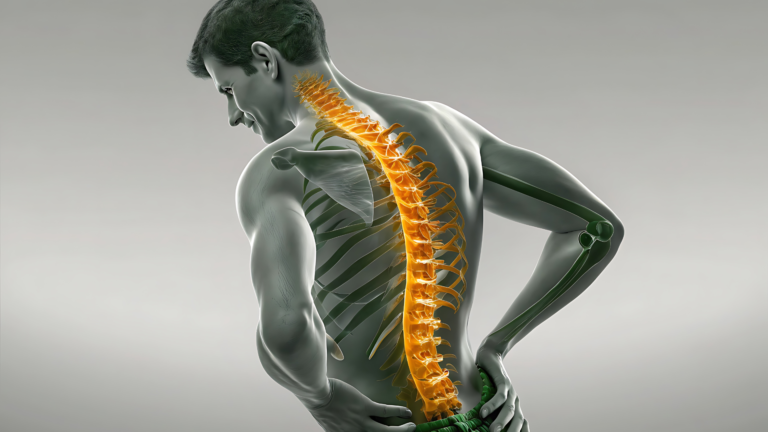
Osteopathy takes a whole-body, systems-based approach. Instead of focusing solely on the injured area, osteopathic manual practitioners assess how all structures—joints, muscles, fascia, and even breathing mechanics—work together.
Key principles include:
The body functions as an interconnected unit
Structure and function are interdependent
The body has an inherent ability to self-regulate and heal
By identifying restrictions or imbalances away from the primary complaint, osteopathy aims to reduce strain patterns that may be limiting recovery.
When used alongside physiotherapy, osteopathy can enhance rehab outcomes in several ways:
After injury, the body often adapts by shifting load to other areas. Osteopathy helps identify and release these compensations so physiotherapy exercises work more effectively.
Manual osteopathic techniques can restore mobility in joints and soft tissues that may not respond fully to exercise alone.
Persistent pain is often influenced by nervous system sensitivity. Osteopathic treatment can help calm protective patterns, making movement less guarded and rehab more comfortable.
When movement feels easier and less restricted, patients often progress faster with physiotherapy strengthening and conditioning programs.
| Physiotherapy | Osteopathy |
|---|---|
| Injury-specific rehab | Whole-body assessment |
| Exercise-based recovery | Hands-on manual therapy |
| Strength and mobility focus | Structure-function integration |
| Excellent for acute injuries | Valuable for chronic or complex cases |
Rather than choosing one over the other, many patients benefit most from an integrated approach.
You may want to explore osteopathy if:
Pain persists despite consistent physiotherapy
Symptoms shift or appear in new areas
You feel “stuck” in your recovery
Injuries are recurrent or long-standing
Stress or tension seems to worsen symptoms
Collaborative care can help uncover underlying factors slowing progress.
Choosing the right treatment isn’t about labels—it’s about results. Physiotherapy remains essential for rebuilding strength and function, while osteopathy can address the deeper mechanical and systemic issues that sometimes hold recovery back.
At Isomatic, the goal is not just symptom relief, but resilient, long-term movement health through thoughtful, patient-centred care.
If your rehab feels incomplete or progress has plateaued, it may not mean you’re doing anything wrong—it may simply mean your body needs a broader approach. By combining physiotherapy with osteopathy, many patients find clearer answers, smoother recovery, and better long-term outcomes.
Your body doesn’t work in isolation. Your care shouldn’t either.

From Pain to Power: A Patient’s Guide to Healing Naturally Living with pain can slowly drain your energy, confidence, and hope. It affects how you

From Pain to Power: A Patient’s Guide to Healing Naturally Living with pain can slowly drain your energy, confidence, and hope. It affects how you

How Osteopathy Complements Your Regular Medical Care Modern healthcare is evolving. Patients are no longer satisfied with treating symptoms alone—they want care that looks at