Physiotherapy Techniques That Help With Arthritis Flare-Ups

When arthritis flares up, even simple movements can feel like a challenge. Stiff joints, aching muscles, and fatigue can make daily tasks seem impossible. Yet, there’s good news—physiotherapy offers proven techniques to help manage arthritis flare-ups, reduce inflammation, and restore movement.

In this article, we’ll explore how physiotherapy supports people living with arthritis, the best techniques for easing pain, and practical advice to maintain mobility when symptoms strike.

Understanding Arthritis and Flare-Ups

Arthritis is not a single condition but a group of joint disorders characterized by inflammation, stiffness, and pain. The two most common types are osteoarthritis (OA) and rheumatoid arthritis (RA).

During a flare-up, symptoms intensify—pain increases, joints swell, and stiffness worsens, often triggered by stress, weather changes, or overuse. While medication may help manage inflammation, physiotherapy provides natural, movement-based relief that supports long-term joint health.

How Physiotherapy Helps During Arthritis Flare-Ups

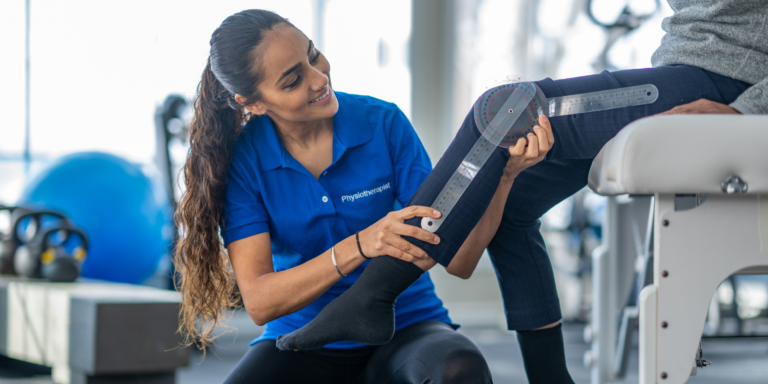
Physiotherapy focuses on gentle, evidence-based movement to preserve mobility, ease stiffness, and strengthen surrounding muscles. By improving the way your body moves, it reduces stress on painful joints.

Here’s how physiotherapy supports arthritis patients:

  • Reduces pain by improving joint alignment and circulation

  • Increases flexibility through safe range-of-motion exercises

  • Strengthens muscles to provide better joint support

  • Improves balance and posture, minimizing fall risk

  • Encourages independence by restoring functional movement

The right physiotherapy plan can help you manage flare-ups more effectively and prevent long-term joint damage.

Key Physiotherapy Techniques That Help With Arthritis Flare-Ups

Different physiotherapy methods can be used depending on the type and severity of your arthritis. Here are some of the most effective and widely used techniques:

1. Range-of-Motion Exercises

These gentle stretches maintain flexibility and prevent stiffness. They help lubricate joints by promoting the flow of synovial fluid.

  • Example: Shoulder circles, wrist rotations, or gentle knee bends.

  • Goal: Maintain daily movement without overexertion.

2. Hydrotherapy (Aquatic Therapy)

Exercising in warm water reduces joint stress while allowing free movement. The buoyancy of water supports your weight, making exercises easier and less painful.

  • Benefits: Decreases pain, improves circulation, and boosts mood.

3. Strength Training

Strengthening muscles around affected joints—especially hips, knees, and shoulders—helps absorb impact and relieve pressure.

  • Example: Resistance band work or light dumbbell routines.

  • Always use slow, controlled movements.

4. Heat and Cold Therapy

Physiotherapists often use hot packs to relax stiff joints or cold packs to reduce inflammation.

  • Heat: Best for morning stiffness.

  • Cold: Ideal for swelling and acute pain.

5. Manual Therapy

Hands-on manipulation and soft tissue massage help ease muscle tension, improve blood flow, and restore joint motion.

  • Gentle mobilization can also reduce joint restrictions.

6. TENS (Transcutaneous Electrical Nerve Stimulation)

A physiotherapist may use a TENS machine to send mild electrical pulses through the skin, reducing pain signals sent to the brain.

  • Safe and non-invasive, this method is great for chronic pain management.

The Importance of Tailored Physiotherapy Plans

No two arthritis cases are the same. A tailored plan designed by your physiotherapist ensures exercises match your pain levels, mobility, and joint health. Personalized treatment may include:

Therapy FocusGoalExample
Pain ReliefReduce inflammationHeat therapy, TENS
MobilityMaintain flexibilityGentle stretching
StrengthSupport jointsResistance bands
BalancePrevent fallsStability exercises

This custom approach prevents overexertion and supports safe, consistent improvement.

Lifestyle Tips to Manage Arthritis Between Sessions

  • Beyond your physiotherapy appointments, simple lifestyle habits can reduce flare-up frequency and intensity:

    • Stay active daily – even light walking keeps joints lubricated.

    • Use supportive footwear – helps distribute pressure evenly.

    • Maintain a healthy weight – reduces stress on knees and hips.

    • Practice posture awareness – avoids uneven joint strain.

    • Apply heat or ice at home – manage stiffness naturally.

    Consistency is key—combine these habits with physiotherapy for better control over flare-ups.

When to See a Physiotherapist

You should book a physiotherapy appointment if you experience:

  • Increased stiffness or swelling that lasts more than a few days

  • Pain that interferes with daily activities

  • Decreased range of motion or new joint weakness

  • Recurring flare-ups despite medication

Early physiotherapy intervention prevents further joint deterioration and helps maintain independence in daily living.

Conclusion: Moving Through Arthritis With Confidence

Arthritis flare-ups don’t have to dictate your life. With the right physiotherapy techniques, you can ease pain, regain mobility, and take control of your health naturally.

Physiotherapy empowers you to move with confidence—teaching your body how to function efficiently, even when joints feel inflamed or fatigued. Whether through hydrotherapy, gentle exercise, or hands-on treatment, physiotherapy provides long-term tools for living well with arthritis.

Frequently Asked Questions

Can physiotherapy stop arthritis from getting worse?
While it can’t cure arthritis, physiotherapy helps slow progression and preserve joint function.

Is it safe to exercise during a flare-up?
Yes, but choose gentle, low-impact movements and follow your physiotherapist’s guidance.

How often should I do my physiotherapy exercises?
Typically daily, or as prescribed by your physiotherapist based on your condition.

Can physiotherapy help with rheumatoid arthritis?
Yes. Physiotherapy supports mobility and reduces joint strain, even during autoimmune-related inflammation.

What is the best exercise for arthritis pain relief?
Water-based exercises and gentle stretching are ideal for reducing pain while keeping joints active.

Discover how we can help you today. Contact us to book your first appointment.

Related Posts

50% Off Of Our Initial Assessment!

40% Off Of Our Initial Assessment!