
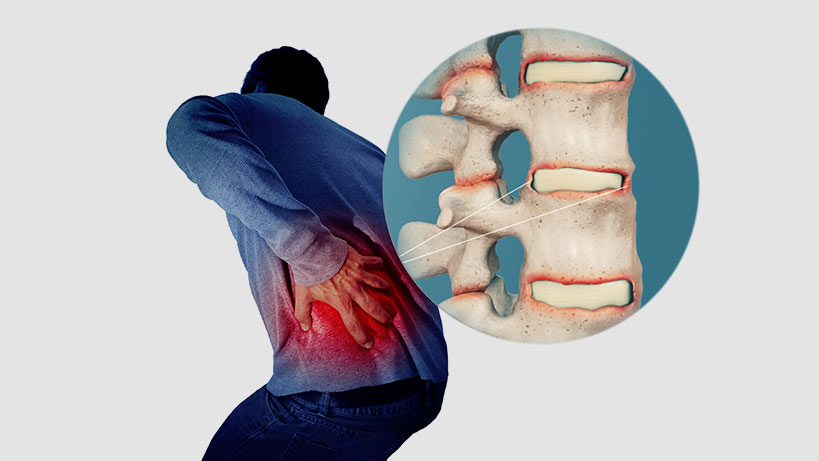
Understanding Ankylosing Spondylitis
Ankylosing spondylitis, also known as axial spondyloarthritis, is an inflammatory disease that, over time, can lead to the fusion of some of the bones in the spine, known as vertebrae. This fusion results in reduced flexibility of the spine and can cause a hunched posture. Additionally, if the ribs are affected, breathing deeply may become difficult.
Ankylosing spondylitis typically begins in early adulthood, and there is no cure for the condition. However, various treatments can help alleviate symptoms and potentially slow down its progression. One of the earliest signs of ankylosing spondylitis is pain and stiffness in the lower back and hips, particularly in the morning and after periods of inactivity. Neck pain and fatigue are also common symptoms.
Over time, symptoms may gradually worsen, improve temporarily, or cease altogether. The areas most commonly affected by ankylosing spondylitis include:
- The joints where the base of the spine meets the pelvis.
- The vertebrae in the lower back.
- The cartilage junctions between the breastbone and ribs.
- The hip and shoulder joints.
- The sites where tendons and ligaments attach to bones, primarily in the spine, but sometimes along the back of the heel.
Symptoms:
The early signs and symptoms of ankylosing spondylitis typically involve pain and stiffness in the lower back and hips, especially in the morning and after periods of inactivity. Neck pain and fatigue are also common. As time progresses, symptoms may worsen, improve, or occur at irregular intervals.
You may experience the following symptoms, which tend to develop gradually, usually starting in late adolescence or early adulthood:
- Hip and joint pain.
- Stiffness in your lower back and hips.
- Neck pain.
- Difficulty breathing deeply.
- Fatigue.
Causes:
Ankylosing spondylitis doesn’t have a known specific cause, although genetic factors are believed to play a role. Specifically, individuals with a gene called HLA-B27 have a significantly increased risk of developing ankylosing spondylitis. However, not everyone with the gene will develop the condition.
Risk Factors:
In general, males are more prone to developing ankylosing spondylitis than females. The onset of the condition typically occurs in late adolescence or early adulthood. Individuals with the HLA-B27 gene are at a higher risk of developing ankylosing spondylitis, but it’s important to note that not everyone with this gene develops the condition.
Complications:
In cases of severe ankylosing spondylitis, new bone formation occurs as the body attempts to heal. This new bone gradually narrows the gaps between vertebrae and eventually fuses sections of them. As a result, those parts of the spine become rigid and inflexible. Fusion can also affect the rib cage, limiting lung capacity and function.
Other complications may include:
- Eye inflammation (uveitis), which is one of the most frequent complications and can cause rapid-onset eye pain, sensitivity to light, and blurred vision.
- Compression fractures, where weakened vertebrae crumble, worsening stooped posture; in some cases, broken vertebrae may press on the spinal cord and nerves.
- Heart problems, as ankylosing spondylitis can affect the aorta and increase the risk of heart disease.